
Knowing how to restart your Mac using keyboard shortcuts is an essential skill for troubleshooting frozen applications, applying system updates, clearing memory caches, and resolving software glitches that accumulate during extended operation. While the Apple menu restart option works perfectly under normal conditions, keyboard shortcuts become critical when the mouse cursor is frozen, the Finder is unresponsive, or the display is not rendering the menu bar correctly. This guide covers every keyboard-based restart method available on Mac in 2026, from the standard shortcut to force restart procedures for completely unresponsive systems.
Mac Restart Keyboard Shortcuts
Method 1: Control + Command + Power (Instant Restart)
The fastest keyboard restart shortcut is Control + Command + Power button (or Control + Command + Eject on older Macs). This combination forces an immediate restart without any confirmation dialog, automatically saving open documents in applications that support macOS auto-save. This shortcut works even when the Finder or menu bar is partially unresponsive, making it the most reliable keyboard restart method for semi-frozen systems. On MacBook Pro with Touch Bar, the Power button is the Touch ID sensor in the top-right corner of the keyboard.
Method 2: Control + Power (Restart Dialog Box)
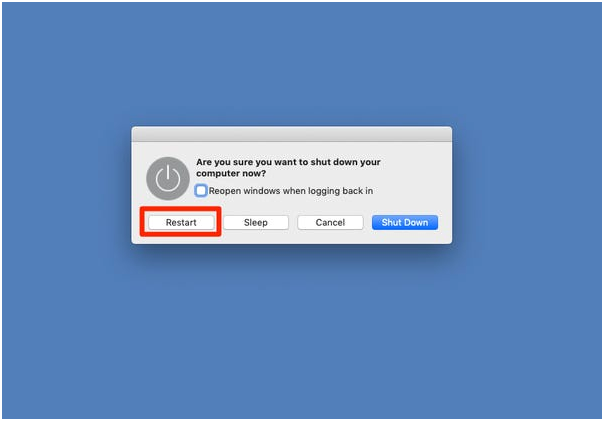
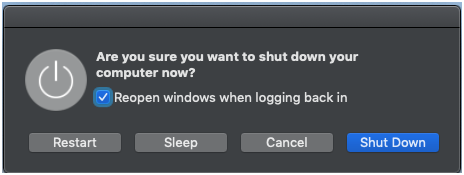
Press Control + Power button to display a dialog box with four options: Restart, Sleep, Cancel, and Shut Down. Click Restart or press the R key on your keyboard to confirm the restart. This method gives you the opportunity to save unsaved work before restarting and offers the flexibility to choose sleep or shutdown instead if you change your mind. The dialog box also appears when you press Control + Eject on Macs with an eject key.

Method 3: Apple Menu Restart
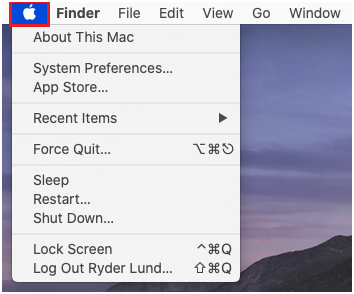
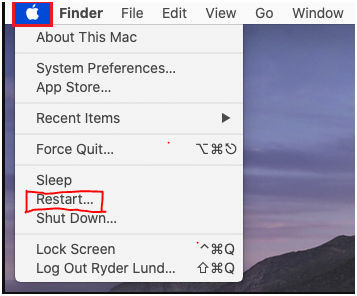
The standard method most users are familiar with: click the Apple logo in the top-left corner, then click Restart. A confirmation dialog appears with a countdown timer. To restart immediately without the confirmation dialog, hold the Option key while clicking Restart in the Apple menu. This method requires a functioning mouse or trackpad and a responsive menu bar, so it is not suitable for frozen system situations.
Method 4: Force Restart (Frozen Mac)
When your Mac is completely frozen and none of the above keyboard shortcuts respond, press and hold the Power button for 10 seconds until the screen goes black and the Mac powers off completely. Wait 5 seconds, then press the Power button once to turn the Mac back on. This is a hardware-level forced power cycle that bypasses all software processes. Use this only as a last resort because it does not save unsaved documents and may cause minor file system inconsistencies that macOS will automatically repair on the next boot. After a force restart, macOS may take slightly longer to boot as it runs integrity checks.
Method 5: Terminal Restart Command
If Terminal is accessible, type: sudo shutdown -r now and authenticate. The -r flag means restart. You can schedule a delayed restart: sudo shutdown -r +10 restarts in 10 minutes. This is useful for remote server administration via SSH or when creating automated maintenance scripts that need to restart the system after updates or configuration changes.

Bonus: Restart into Safe Mode, Recovery, or Diagnostics
Restarting with specific key combinations held during boot lets you access special startup modes. Hold Shift during restart for Safe Mode (loads minimal drivers). Hold Command + R for Recovery Mode. Hold D for Apple Diagnostics hardware testing. Hold Option for Startup Manager to select boot volume. On Apple Silicon Macs, shut down first, then hold Power button for 10 seconds to access startup options including Safe Mode and Recovery.
Related Guides
Shutdown MacBook Pro, fix recovery mode, find Mac settings, fix loud fan.
Master Mac Restart Shortcuts
Ctrl+Cmd+Power for instant restart, hold Power for force restart, and remember special boot key combos for troubleshooting.