If you’re using a Mac, you might wonder how to shut down your MacBook Pro. While it’s not possible to “shutdown” a Mac like you can a PC, you can power off your computer by following just a few simple steps. And in this post, we’ll go through the efforts of shutting down your Mac in the most efficient way possible. Start reading!
Read Also: Where is settings on mac
How to shutdown a Macbook pro by following a few steps only?
Shutdown MacBook Pro is a very important task in MacBook pro. When we shut down the MacBook Pro, we need to follow some methods. There are a lot of ways to shut down the Macbook pro. If we have any problems shutting down the MacBook Pro, we need to follow some methods.
Now I will guide you on how to shut down your MacBook pro.
Step 1: Open System Preferences
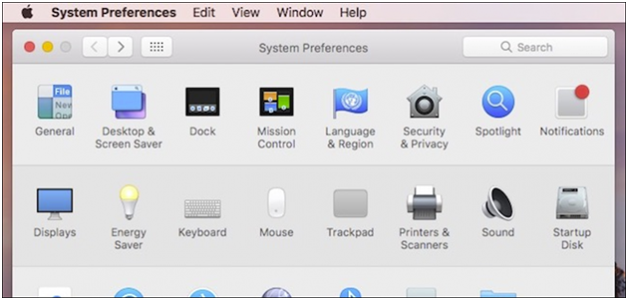
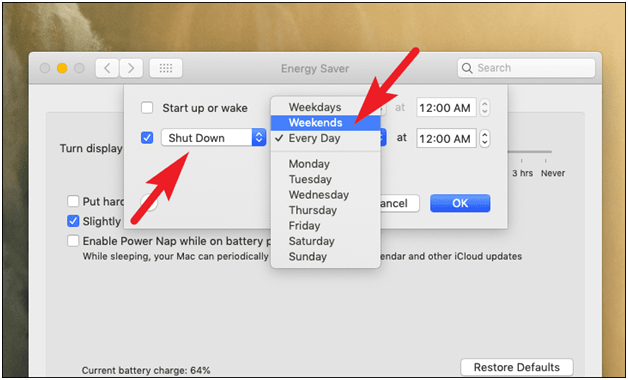
Step 2: Go to Energy Saver and choose Shutdown
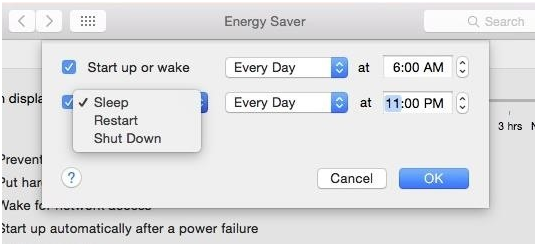
Step 3: Click Shut Down button
Step 4: Press the power button and release it and turn off the MacBook pro
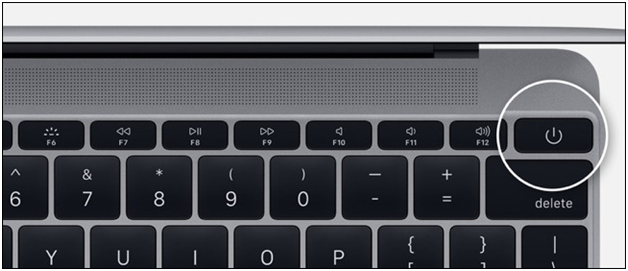
Step 5: Wait for 5-10 seconds and then press the power button again and release it
Step 6: The macbook pro will shut down.
How to force shutdown macbook pro?
You can use the Force Quit window if you use a Mac and want to force the system to shut down. There is a menu named “Force Quit” that you can use to shut down your Mac. This menu can force the Mac to shut down or reboot.
To use Force Quit, follow these steps:
1. Open the Force Quit window.
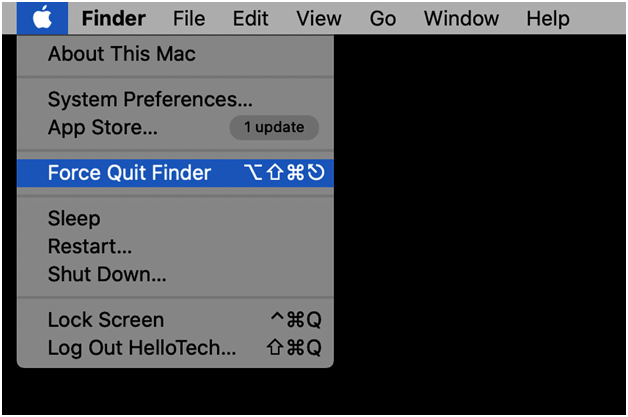
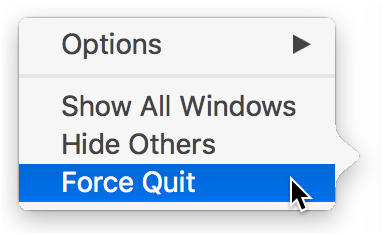
2.Click on the Force Quit.
3.A dialog box will appear. Here, you can choose the applications that you want to force to shut down.
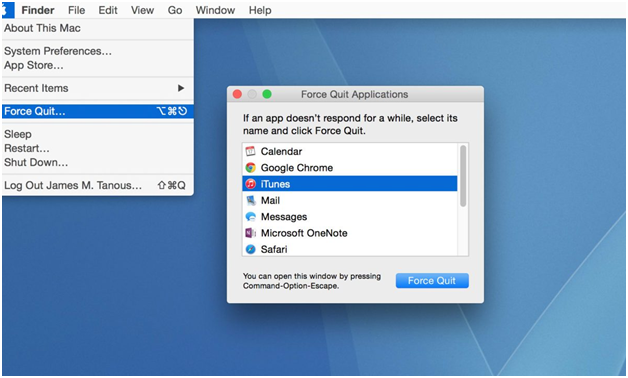
4.Click on the Force Quit button to close the applications.
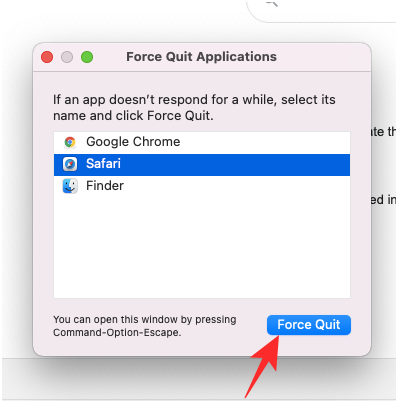
If you are not able to force shutdown macbook pro, you can reboot your Mac by using the following steps:
1. Open the Apple menu.
2. Click on the Apple icon.
3. Click on the “Shut Down” option.
4. A dialog box will appear. Yet, you can choose to restart the Mac or shut it down.
5. Click on the “Shut Down” button to shut down the Mac.
Conclusion:
In this post, we explain how to shut down your Macbook Pro, which includes all the steps to do it manually and automatically.
Here you learned the most convenient way to shut down your MacBook Pro. Share your remarks regarding this guide with us in the comment box.
Frequently Asked Questions:
Q: How do I shut down my Macbook Pro with Keyboard?
A: Try pressing the Control–Option–Command–Power button – or go for Control–Option–Command–Media Eject.
Q: How do I turn off my MacBook Pro without the power button?
A: Use the key Control + Option + Cmd + Power to safely shut down your MacBook pro.
Q: Where is the power button on MacBook Pro?
A: The power button on MacBook Pro is available on the upper right-hand corner.
Q: How do I turn on my MacBook Pro?
A: Click on the power button given on your keyboard on the top right corner.